LISTEN TO ME Project
«Escúchame» is an awareness campaign aimed at educational institutions, designed to raise awareness about hearing loss and promote the inclusion of students with hearing difficulties within the school environment.
A través de actividades educativas, materiales didácticos y recursos adaptados, la campaña ofrece herramientas para comprender mejor las dificultades asociadas a la pérdida auditiva, identificar posibles barreras en el aula y promover el acompañamiento, la empatía y la igualdad de oportunidades. De este modo, contribuye a la creación de entornos escolares más accesibles e inclusivos, donde todos los niños y niñas puedan participar, aprender y comunicarse en igualdad de condiciones.


Las barreras invisibles
personas con discapacidad auditiva en España
personas con con pérdida auditiva profunda
de las personas con pérdida auditiva usa lengua oral
de las personas con pérdida auditiva usa lengua de signos
A classroom that does not adapt, is a classroom that excludes
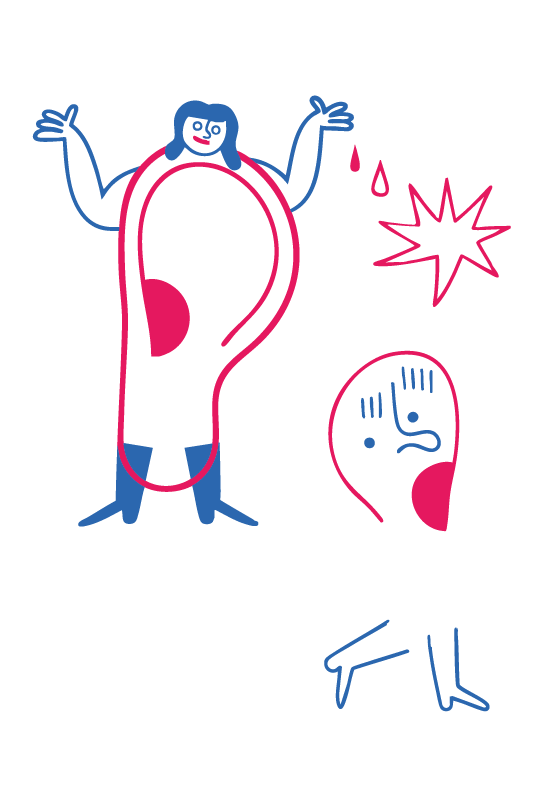
For a child with hearing difficulties, the classroom can be an overwhelming place. Constant noise and a lack of communication strategies generate an “invisible effort” that drains their energy and limits their learning, affecting their self-esteem and their ability to relate to others.
When a child does not hear well, they disconnect. That disconnection is the barrier we want to break down. A lack of pedagogical adaptation is often the root cause of early social exclusion, and that is where the “Escúchame” project comes in.
Resources for a barrier-free classroom
Through collaboration between International Cooperation, the T-Oigo Association, and the GAES Solidarity Foundation, we have developed an ecosystem of educational resources that help to understand hearing loss not as a limitation, but as a reality that, with empathy and technical support, can be fully integrated into everyday school life.
Materials for connecting and understanding
Teaching Guide
An essential document with suggestions for dynamic activities to implement in the classroom, making the educational environment accessible to all.
Marcos' Diary
A unique emotional tool for learning firsthand about Marcos's experience and process during his implantation phase. Ideal for raising awareness among peers and adults.
How does the human ear work?
Hearing is not always the same for everyone. Some people hear sounds lower than normal: this is hearing loss. Depending on the intensity, it can be mild, moderate, severe, profound, or total. With hearing aids, many types of hearing loss can be compensated for. In the most severe cases, a cochlear implant can restore the connection to sounds.
The daily life of a person with hearing loss
It's not always easy to live in a world full of sounds. People with hearing loss may have to work harder to understand conversations, read lips, or rely on subtitles and sign language. Sometimes background noise makes things difficult; other times, a simple doorbell or phone call goes unnoticed. With aids such as hearing aids, cochlear implants, or accessible resources, everyday life becomes easier.
Cochlear implant: stories of overcoming adversity
A cochlear implant is not just a surgery: it is opening the door to sounds again. It has two parts, an external one that captures and processes speech, and an internal one that is placed through surgery. In children, the difference is made by the love of their family and consistent speech therapy. In adults and adolescents, rehabilitation and daily effort are key to reconnecting with the world of sound. Today, there are aids for almost all types of hearing loss: digital hearing aids, implants, and specialized therapies.
Talking with hearing loss
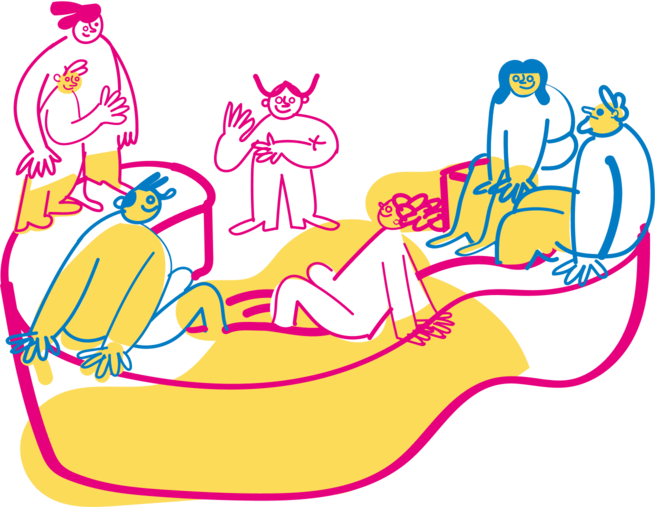
How does a person with hearing loss feel when talking with friends? Even with hearing aids or implants, invisible barriers still exist: background noise, multiple voices at once, echoes, or loudspeakers. All of this makes it more difficult to follow a conversation. With a simple gesture such as taking turns to speak, communication becomes clearer and more accessible.
Lleva el Proyecto Escúchame a tu escuela
Desde Cooperación Internacional, la Asociación T-Oigo y la Fundación GAES Solidaria hemos creado materiales para sensibilizar familias, profesorado y alumnado sobre la realidad de los niños y niñas con pérdida auditiva al aula.
Nuestro objetivo es llevar esta campaña a centros educativos de toda España y colaborar con la comunidad educativa para construir entornos más inclusivos y accesibles.